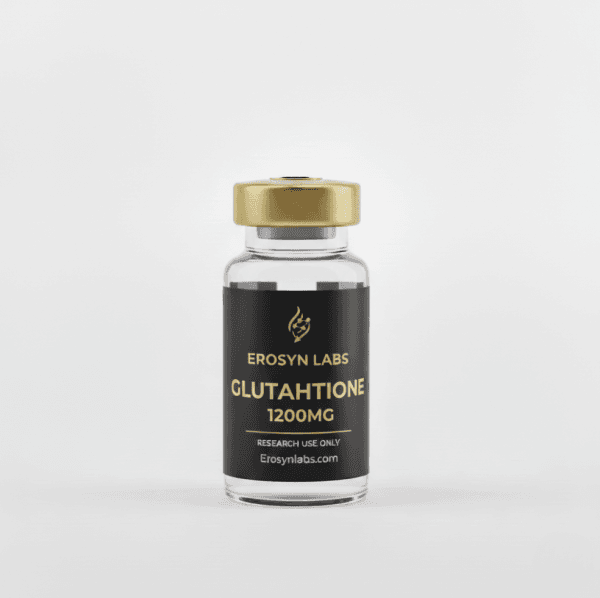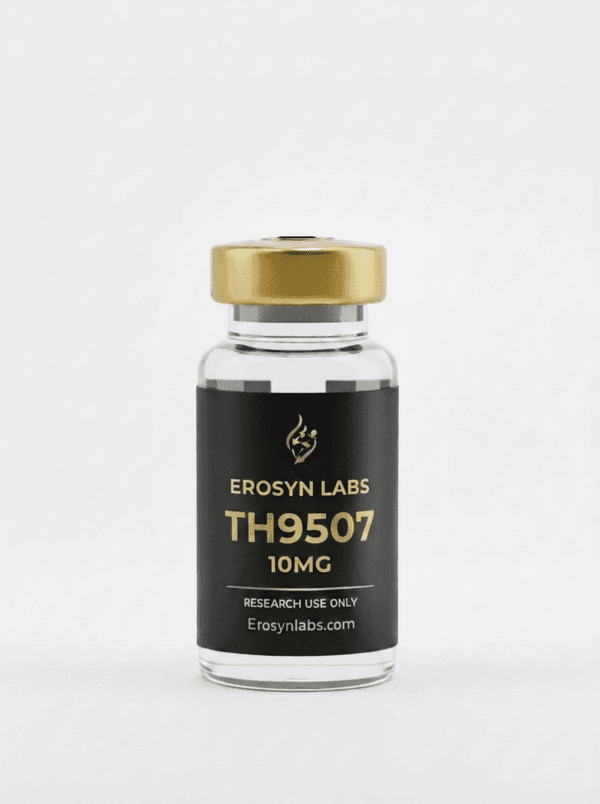

AOD-9604 (Advanced Obesity Drug-9604) is a synthetic peptide derived from the C-terminal fragment of human growth hormone, corresponding to amino acids 176-191 with a tyrosine residue modification at position 182. The molecular weight of AOD-9604 is approximately 1,815.08 Da. This modified fragment has been extensively studied for its distinct metabolic signaling properties, which diverge from the full-length growth hormone molecule.
In adipocyte cell models, AOD-9604 has demonstrated lipolytic activity comparable to the full GH molecule while lacking somatogenic effects. Mechanistic studies in 3T3-L1 adipocytes suggest that AOD-9604 stimulates lipolysis through β3-adrenergic receptor-associated pathways and modulates the obese gene expression. Critically, preclinical studies have shown that AOD-9604 does not induce IGF-1 upregulation or exhibit anti-insulin activity in the cell models tested—properties that distinguish it from full-length growth hormone in metabolic research.
In vitro lipogenesis inhibition has been demonstrated in differentiated adipocyte cultures, where AOD-9604 treatment reduced de novo fatty acid synthesis as measured by radiolabeled acetate incorporation assays. Additional metabolic research has explored AOD-9604 in hepatocyte models, examining its effects on fatty acid oxidation rates and lipid droplet accumulation.
Chondrocyte research represents an expanding application area. In cartilage explant models and isolated chondrocyte cultures, AOD-9604 has been studied for effects on proteoglycan synthesis, collagen type II expression, and matrix metalloproteinase (MMP) modulation. These findings have generated interest in AOD-9604 as a research tool for investigating cartilage homeostasis and regenerative mechanisms.
Erosyn Labs provides AOD-9604 as a lyophilized powder at ≥98% purity by HPLC. Each lot includes mass spectrometry identity confirmation and a comprehensive Certificate of Analysis. The compound should be reconstituted in bacteriostatic water or sterile water. Store lyophilized material at -20°C in desiccated conditions. Reconstituted solutions should be stored at 2–8°C and utilized within 21 days. Standard aseptic peptide handling protocols are recommended, with particular attention to avoiding freeze-thaw cycles that may compromise peptide integrity.
For research and laboratory use only. Not for human consumption.